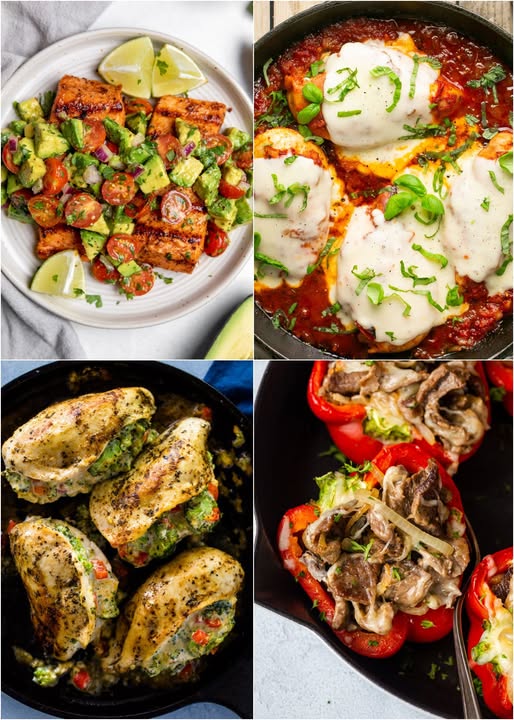
High-Protein Low-Carbohydrate Diet (LCHP): Metabolic Reconstruction
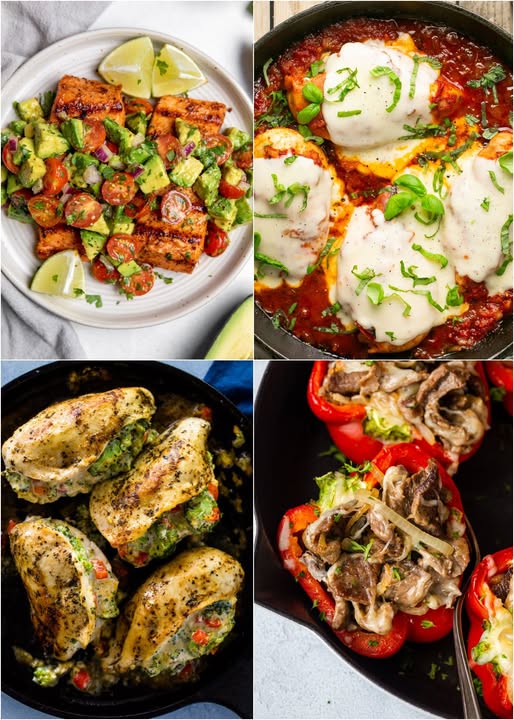
For the professional community, LCHP is not a “bodybuilder’s diet,” but a pathogenetically justified method for correcting insulin resistance and combating sarcopenia (loss of muscle mass). We use this protocol when it is necessary to change the patient’s body composition: to burn visceral fat while preserving (or increasing) active cellular mass.
 Biological Mechanism
Thermic effect of food:
The body spends up to 30% of the calories from protein on its digestion (compared to 5–10% for carbohydrates and fats).
Anabolic response: Amino acids (especially leucine) activate the mTOR pathway, which is essential for muscle protein synthesis.
Glycemic control: Low carbohydrate content stabilizes blood glucose levels, reducing insulin demand and triggering lipolysis.
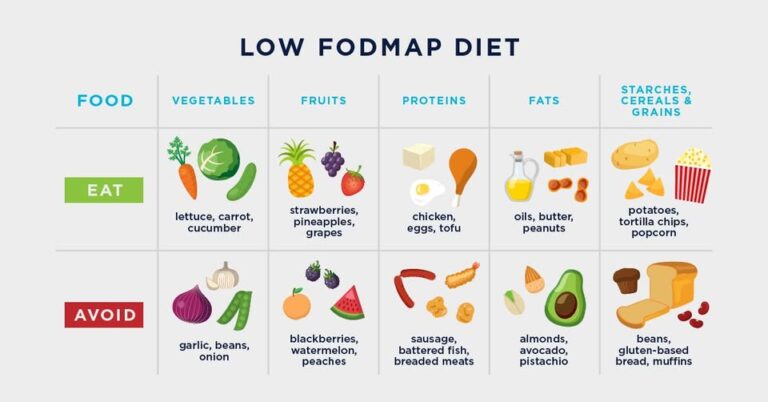
 Allowed Foods (Building Materials)
Lean meats and poultry: Veal, rabbit, turkey, chicken breast.
Eggs: Ideal amino acid profile (protein standard).
Fish and seafood: White fish (cod, pollock), shrimp, squid (minimal fat, maximum protein).
Non-starchy vegetables: Cucumbers, all types of zucchini, asparagus, celery, any leafy greens.
Dairy products (selectively): Greek yogurt, cottage cheese (if no lactase deficiency and normal insulin index).
 Food as Medicine (Metabolic Catalysts)
Ghee (clarified butter): A source of butyrate for the gut without milk proteins and lactose.
Chia and flax seeds: Fiber necessary for gastrointestinal function under high protein conditions.
Apple cider vinegar (before meals): To stimulate hydrochloric acid (HCL) production, which is critically important for breaking down large protein portions.
 Forbidden Foods
(Energy ballast)
All types of sugar and fast carbohydrates: Pastries, sweets, sodas.
Starchy vegetables: Potatoes, corn, boiled beets and carrots (high glycemic index).
Sweet fruits: Bananas, grapes, figs, dried fruits.
Trans fats: Margarine, fried foods (block mitochondrial function).
 When choosing LCHP, it is advisable to consult a specialist and monitor:
Urea and creatinine levels: To assess kidney filtration capacity.
Uric acid levels: For gout prevention.
Stomach acidity: If protein “doesn’t sit well” (heaviness, foul breath), it is necessary to add enzymes or betaine.