Relieving Lower Back Pain
A healthy back is something we only take for granted in childhood and youth, and even then, not always.
As we age, a healthy back becomes both a process and a result. Daily exercise, proper nutrition, ergonomic living spaces (mattress, pillow, desk, chair, monitor height, car seat, etc.), emotional balance, and more are necessary.
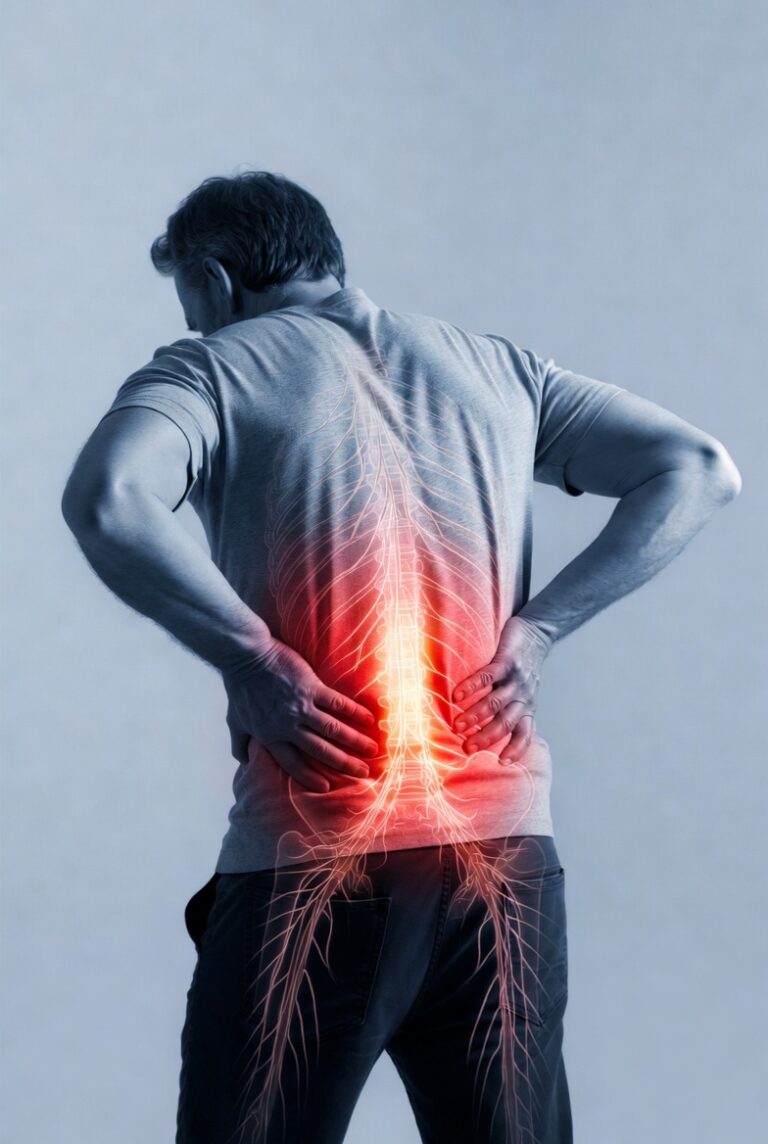
Usually, we decide to “seriously take care of our back” at the moment when we can’t get out of bed in the morning. That’s the moment of reckoning — acute pain. This article is for those who are ABSOLUTELY sure that their pain is related specifically to the spine or muscles and do not require a differential diagnosis.
Lower back pain can also occur with kidney, intestinal, gynecological, or prostate diseases. Signs that your pain is most likely spinal in origin include:
– Pain worsens with movement
– Pain MAY radiate to the buttock or leg (not necessarily)
– Pain MAY occur after an awkward movement (not necessarily)
– There is a tender spot on the lower back or along the pain referral zones
– You do not have a fever or pain during urination.
Signs that, although the pain is spinal in nature, you should stop reading and see a doctor:
– Newly developed loss of bladder or bowel control
– Urinary retention
– Newly developed or recurring numbness in the limbs
– Onset of weakness in one or both legs
Now that we’ve established that it is indeed your back that hurts, and there’s no need to call an ambulance, let’s fix the situation.
1. Make the decision that you will ALWAYS take care of your back’s health and won’t forget about it as soon as the pain subsides. No empty promises — until you commit to your back, it won’t agree to heal :-).
2. Move to a firm surface — the easiest way is to lay a blanket on the floor and lie down on it. Until the acute pain stops, this is your bed.
3. Using an applicator is convenient for relieving acute pain. Here I write about applicators https://store.reclifing.com/?p=416
4. Use local heat. This can be:
a. a hot water bottle, rubber or electric
b. a hot compress with mint decoction (pour two cups of boiling water over 2 tablespoons of dried or a bunch of fresh mint, let it steep until it cools to a tolerable temperature, soak a natural fabric in the decoction, place it on the painful area, cover with plastic wrap and a warm scarf, blanket, or shawl. Keep it on until it cools)
c. warming ointment
d. hot shower or bath (you can add aromatic oils of camphor, rosemary, basil to the bath)
e. woolen scarf
f. capsicum plaster
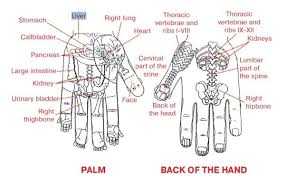
5. Use the simple-to-apply rules of Su-Jok therapy. Take a non-writing pen or any object with a rounded thin tip, similar to a pen shaft, and press along the zones shown in the picture. In the area corresponding to your pain, sensitivity to pressure will be much stronger. Take a buckwheat grain and secure it with a plaster on this point. Massage this spot periodically. You can also thoroughly massage the entire hand zone corresponding to the lumbar spine with your probe.
Even easier is to take a thin strip of capsicum plaster and secure it on the hand zone corresponding to the pain.
6. Exercises to relieve pain in the lumbar spine:
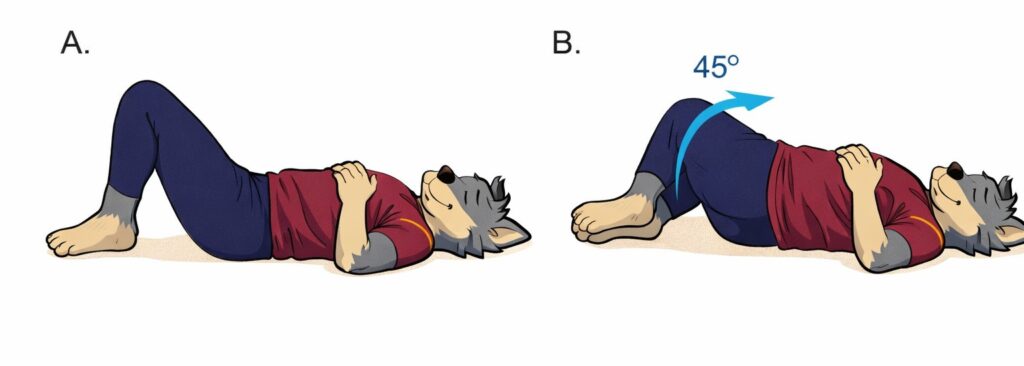
a. Lie on your back, bend your legs at the hips and knees so that your feet are a few centimeters ahead of your buttocks. Arms spread out to the sides. Slowly, on an inhale, lower your knees to the right. Make sure your pelvis and shoulders stay on the floor. Count to 7 and on the inhale, return your knees to the starting position. Repeat the same to the left. 5 repetitions.
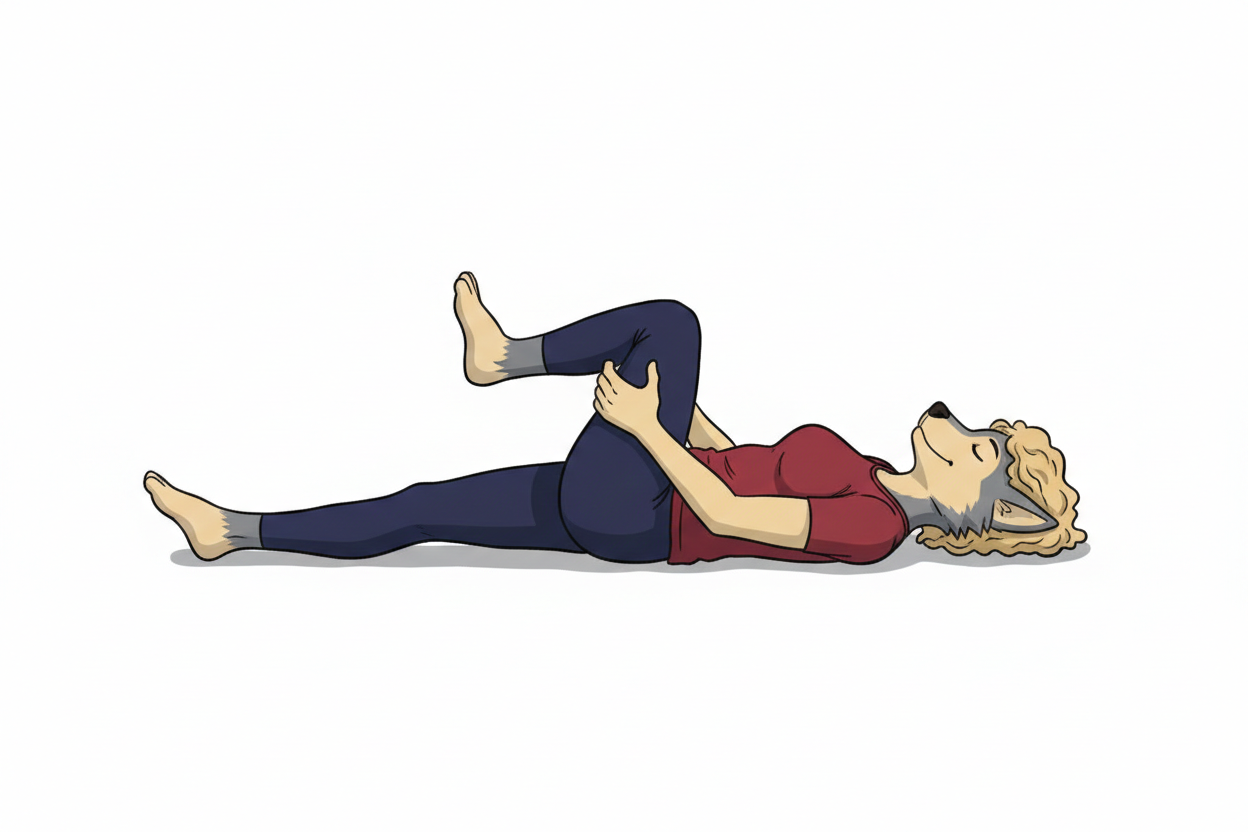
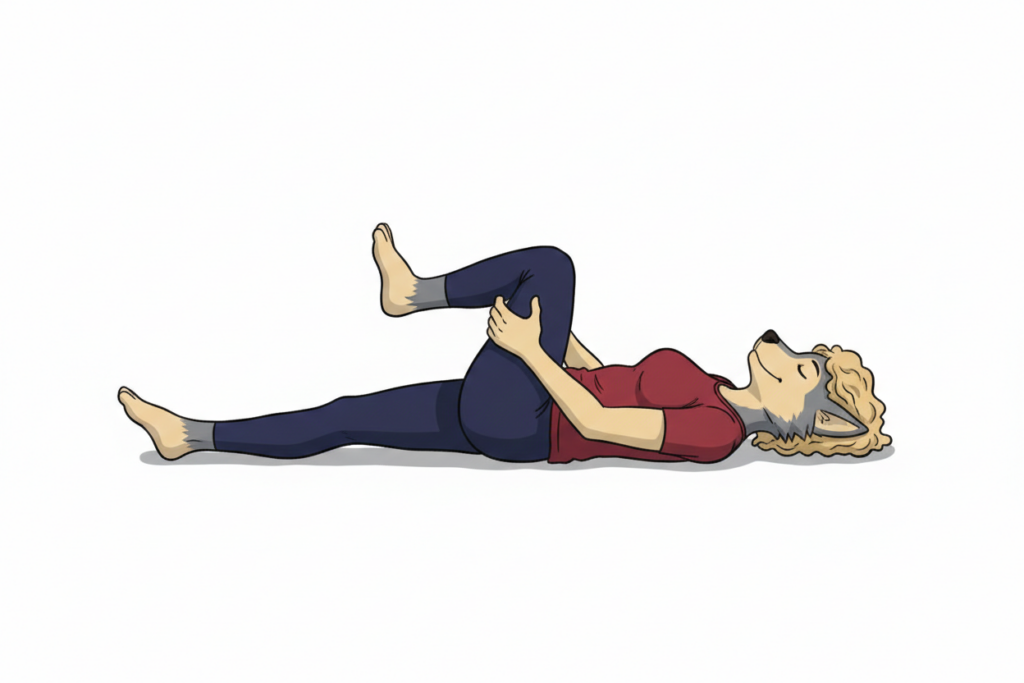
b. Lie on your back, bend one leg at the hip and knee. Hold your knee with your hands and on the exhale, pull the knee toward your chest. Count to 7. Do not hold your breath. On the inhale, slowly lower the leg and repeat with the other leg.
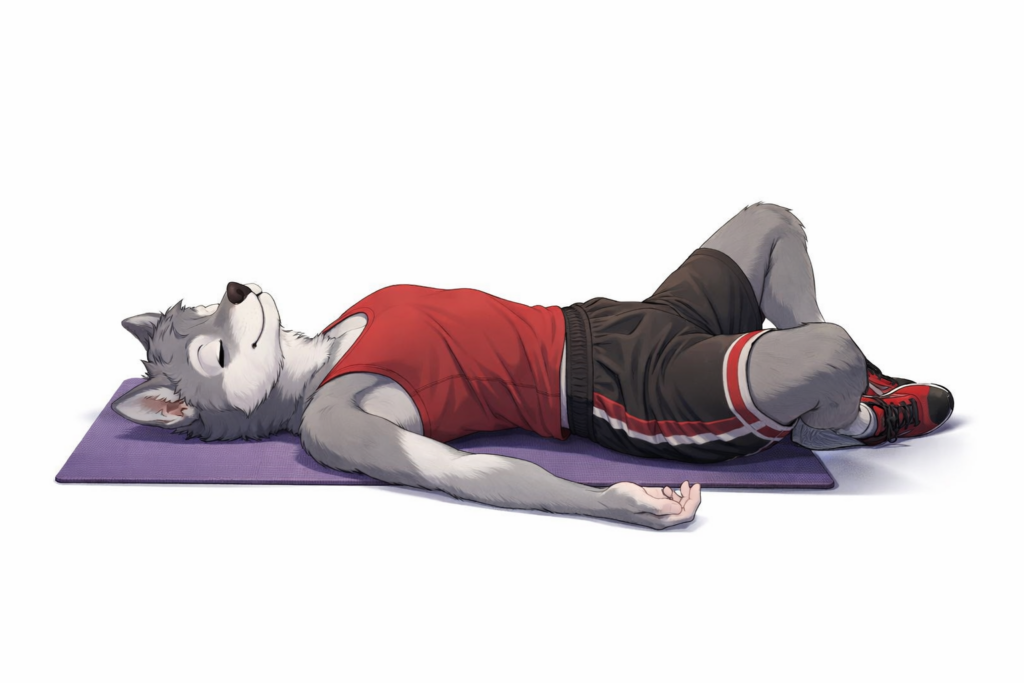
c. Lie on your back, bend your legs at the hips and knees, bring your feet together and spread your knees apart. Place your hands on your knees and slowly rock your pelvis from side to side.
d. Lie…