Intermittent Fasting
Today we will discuss a tool that doesn’t require buying special products but demands a deep understanding of physiology. Intermittent Fasting (IF) is not about “skipping breakfast,” but about managing the insulin cycle and triggering autophagy processes.
 Pathophysiology of the process: What happens inside?
Our metabolism switches between two phases: Anabolism (growth and storage) and Catabolism (cleansing and burning).
1. Insulin Pause
With constant snacking, insulin levels remain chronically elevated, which blocks lipolysis (fat breakdown). IF creates a “quiet window” during which insulin drops to baseline levels. This allows cells to restore receptor sensitivity, which is a pathogenetic treatment for insulin resistance.
2. Autophagy (Nobel Prize winner Yoshinori Ohsumi)
When no nutrients are supplied (usually after 14–16 hours), the energy deficit sensor — the AMPK enzyme — is activated. It initiates the process of cellular “self-eating”: lysosomes begin digesting defective proteins, damaged mitochondria, and intracellular “waste.”
This is a rejuvenation mechanism for the immune system and reduces the risk of neurodegeneration.
3. Metabolic Flexibility
A healthy body should be able to switch from burning glucose to burning fats. IF trains the liver and muscles to efficiently use glycogen stores and switch to ketones, which is critically important in metabolic syndrome.
 Popular Protocols
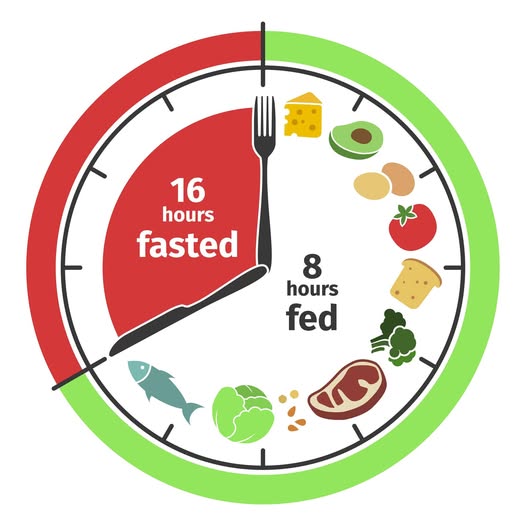
16/8 (LeanGains Method): The most popular. 16 hours of fasting and an 8-hour eating window. Optimal for balancing social life and health.
OMAD (One Meal A Day / 23:1): One meal per day. A powerful tool but requires a high nutrient density in a single meal.
FMD (Fasting Mimicking Diet): A five-day fasting mimicking protocol (by Valter Longo), where caloric intake is reduced to 800–1100 kcal. Allows you to gain the benefits of fasting without completely abstaining from food.
 Contraindications and “Red Flags”
IF is a stressor. It is beneficial in moderation but dangerous in certain conditions:
Eating disorders (ED): History of anorexia or bulimia.
Low body weight (BMI < 18.5): Risk of worsening nutritional deficiency.
Pregnancy and lactation: Periods requiring constant anabolism.
Gallstone disease: Prolonged fasting may cause bile stasis (requires monitoring and addition of bitters).
Type 1 Diabetes: Risk of uncontrolled hypoglycemia (only under endocrinologist supervision).
Chronic pain syndrome: The body is already under constant stress. Additional stress will intensify the pain.
 Food as Medicine During IF
During the “fast”: Only water, unsweetened coffee/tea, electrolytes.
Breaking the fast: Should be gentle. The first meal — proteins and healthy fats (for example, egg and avocado) — to avoid a sharp insulin spike.
Intermittent fasting is “maintenance” for your body. We are not starving ourselves; we are giving our cells time for cleaning and repair, which is impossible while the digestive conveyor is running.