Anti-Inflammatory Diet
If the Mediterranean diet is prevention, then the Anti-Inflammatory diet is therapy. We choose it when the body is in a state of “smoldering” systemic inflammation, confirmed clinically (elevated C-reactive protein, ferritin, homocysteine) or symptomatically (persistent weakness, chronic pain of any kind).
 Biological Mechanism
The main goal is to eliminate “molecular mimicry” and dietary triggers that cause the immune system to attack its own tissues. We remove lectins, saponins, and other antinutrients that can damage the intestinal barrier (“leaky gut syndrome”).
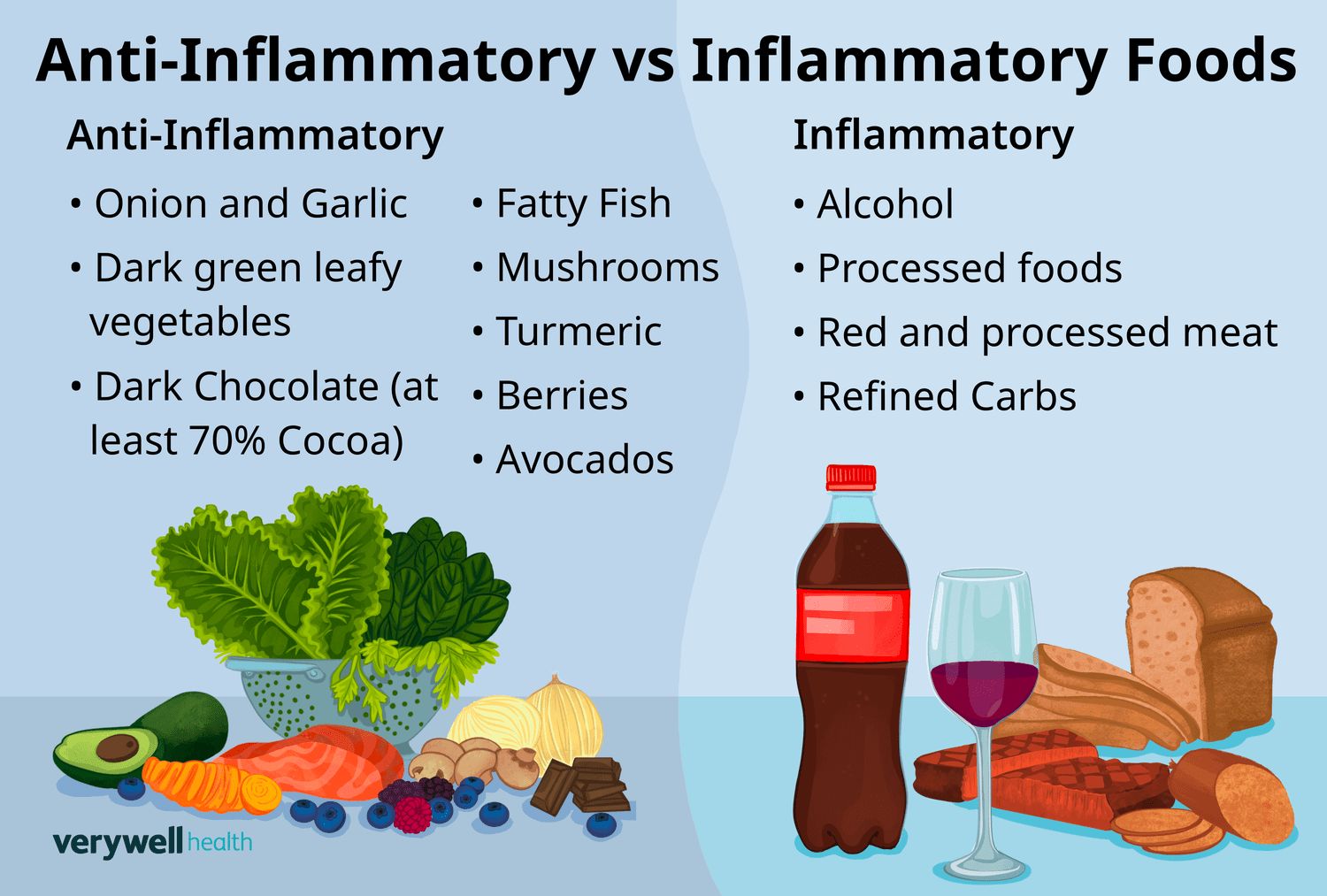
 Allowed Foods (The Basis of Regeneration)
Cruciferous vegetables: Broccoli, cauliflower, Brussels sprouts (sources of sulforaphane for liver detoxification).
Leafy greens: Kale, spinach, arugula (high in magnesium and folates).
Fatty fish and seafood: Wild salmon, herring, anchovies (maximum concentration of Omega-3).
Bone broth: A source of collagen and amino acids (glycine, glutamine) for gastrointestinal mucosal repair.
Fermented foods: Sauerkraut, kimchi, natural fermented dairy products (supporting the microbiome).
 Food as Medicine (Active Inflammation Suppression)
Turmeric + Black pepper: Synergy for blocking the NF-kB inflammatory pathway.
Ginger: A natural cyclooxygenase inhibitor (similar to nonsteroidal anti-inflammatory drugs).
Dark-colored berries: Blueberries, blackberries (polyphenols for vascular wall protection).
Green tea (Matcha): High concentration of epigallocatechin gallate (EGCG).
 Forbidden Foods (Inflammation Triggers)
Here we are uncompromising, as even a small amount can trigger an immune cascade:
Sugar, including honey, date syrup (silan), fructose (fruits), and hidden sweeteners: The main factor in glycation and pathogenic flora growth. Allowed sugar substitutes: erythritol, stevia, monk fruit.
Refined vegetable oils: Sunflower, corn, soybean (excess Omega-6 promotes inflammation). Allowed vegetable oils: olive, flaxseed, avocado.
Gluten: Even without celiac disease, it raises zonulin levels (a protein regulating intestinal permeability).
Dairy products (A1 casein): Often act as a pro-inflammatory factor (discussed individually).
Nightshades (optional): Tomatoes, eggplants, potatoes, peppers — may exacerbate joint pain in sensitive patients.
 Differences in Approach
Unlike classical dietetics, here we focus not on calories but on the antioxidant capacity of foods (ORAC) and their effect on insulin response.
It is important to remember: even the healthiest foods can sustain pain syndrome. If chronic pain in joints, muscles, or urinary tract, or headaches persist despite a standard anti-inflammatory protocol, attention should be paid to two factors:
1. Oxalates (Crystals of Pain)
Oxalates are salts of oxalic acid. With metabolic disturbances or microbiome issues (deficiency of Oxalobacter formigenes), they can accumulate in tissues, causing microtrauma and inflammation.
Where they hide: Spinach, beets, almonds, rhubarb, sorrel, chocolate.
Symptoms: Unexplained joint and ligament pain resembling “sand in the bearings,” vulvodynia, tendency to kidney stone formation.
2. Lectins (Sticky Proteins)
These are plant proteins designed to protect plants from being eaten. They can “glue” intestinal epithelial cells together and mimic antigens of our own tissues (molecular mimicry).
Where they hide: Nightshade family (tomatoes, eggplants, potatoes), legumes, grains.
Symptoms: Reactive arthritis, morning stiffness, bloating several hours after eating.
How to avoid:
Thermal processing: Boiling reduces oxalate and lectin levels in vegetables.
Soaking: A mandatory step for legumes and grains.
Temporary elimination: Remove “oxalate bombs” (almonds, spinach) for 2 weeks and assess progress.
Transitioning to this protocol requires gradualness. We start with elimination for 4–6 weeks, then slowly reintroduce foods while monitoring the body’s response and inflammation markers.