CHRONIC PAIN IS CURABLE.

❗ The word “pain” originally carries a negative connotation. Which is completely unfair.
✅ Acute pain is our friend and advisor. It lets us know that a limb is injured and should not be put under pressure. It makes us pull our hand away from fire. It teaches us that indulging in very spicy food is harmful to the stomach, and fatty food is harmful to the gallbladder. And normally, as soon as the danger that pain protects us from passes, the pain should stop. The fracture has healed, the burn has resolved, the diet is restored — the pain is gone.
❗ But unfortunately, often it is otherwise. There is no longer a physical cause for the pain, yet the pain continues to torment. Even when there is anatomical or physiological pathology, such as nerve damage in neuropathy, nerve compression in a herniated disc, ligament rupture, etc., chronic pain is always significantly exaggerated relative to the severity of the injury.
➡️ In such cases, we talk about the transition of acute pain into a chronic pain state. And this is a completely different situation.
❌ Chronic pain does not serve a protective function. It stops helping us and becomes an independent problem. That is, the disease is not neuropathy, fibromyalgia, arthritis, herniated disc, migraine, or irritable stomach. All these pathological conditions can be completely asymptomatic or cause some discomfort compatible with life, which can be managed by using certain strategies and minor lifestyle adjustments.
❗ The disease is PAIN. It becomes an independent disease, not just a symptom.
🧩 And, like any chronic disease, this disease has many aspects:— psychological— social— medical🛠️ The only way to cure this disease (I remind you, I mean the disease called Pain, more precisely the chronic pain syndrome, not the pathological conditions underlying it) is a comprehensive approach addressing all these aspects simultaneously.
⚙️ For convenience and clarity, I approach any health problem from four angles:
🔹 1. Psychosomatics. In chronic pain, it is known that one of the main causes of chronic pain syndrome of the first type (without anatomical cause) and the second type (with anatomical/physiological cause) is chronic stress, anxiety, and depression. But psychosomatics is not satisfied with being just a cause. It wants to dominate everything and also becomes a consequence of pain. After all, it is impossible not to experience stress and anxiety while enduring constant, often unbearable pain.
🔹 2. Biomechanics. Acute pain forces a person to change their movement habits. When we injure a hand, we get used to using only the healthy hand; with leg pain, we limp; with back pain, we limit mobility. Even the absence of physical pain affects the body’s biomechanics. Under stress, we contract and hunch our shoulders. When feeling down, we lower our head and let our shoulders droop. And just like with physical pain, we start moving less. Some muscles weaken, while others bear abnormal loads. This leads to muscle spasms, which not only increase pain but also worsen the development of unhealthy movement habits.
🔹 3. Biochemistry. We always remember only one biochemical aspect of pain: “take a pill — it will get better.” But the biochemical component of pain and its treatment is much deeper. Pain results from changes in neurotransmitter balance, inflammation, and oxidative stress. And, as with psychosomatics and biomechanics, we face a vicious cycle. Biochemical changes trigger pain, which in turn leads to biochemical processes that sustain the pain.
🔹 4. Behavioral factors and lifestyle. A tendency to play the victim, infantilism, avoidance psychology, hyper-responsibility, inability to delegate, perfectionism… Such different ways of interacting with the world can lead to a lifestyle that becomes fertile ground for chronic pain. Constant physical suffering forces changes in habits and lifestyle — moving less, giving up hobbies, quitting a beloved job. Chronic pain is always causally linked to sleep disturbances.
📌 Thus, we see that if we do not approach understanding the cause and finding a cure for chronic pain simultaneously from all four sides — there will be no result.
👤 A person with an absolutely sincere desire to heal: — will remain searching for a physical injury that is “enough to fix to get rid of the pain” — will be afraid of movement — will take pills that help little but cause dependence and have unsafe side effects — will continue living a lifestyle that leads to pain becoming chronic — and, in the end, will become incurably disabled.
✅ Whereas it is possible either to completely get rid of the pain or bring it under control, reducing it to a level of “a familiar sensation that does not cause significant discomfort.” To do this, it is necessary to: — delve into and study the aspects of pain development and existence — take responsibility for its cure — find dominant motivation — engage daily, at least an hour, in special exercises — turn your daily routine into a healing process — change your diet — take special dietary supplements — change your attitude toward life and yourself — change habits
⚠️ Difficult? Yes. I hear such objections during my consultations:
🗨️ I’m not ready for such an approach, I just want the pain to stop.— No. That’s not how it works.
🗨️ I can’t dedicate my whole life to treatment. I have many other things to do.— But right now, you are dedicating your whole life to pain.
🗨️ I won’t manage, I’ll forget, I’ll give up along the way.— Absolutely right. You need to constantly maintain motivation. It’s difficult, but there are methods.
🗨️ What if it doesn’t help?— That can happen. But your current prognosis: it hurt, it hurts, and it will hurt. I suggest trying to change the scenario. If it doesn’t help — you’ll return to what you know well. It won’t get worse. But I believe (and among Jews “believe” = know) that it will help.—
❌ What DOES NOT work with chronic pain: — explaining pain by physical causes and endlessly continuing examinations and treating only the body — explaining pain by psychological causes and saying “it’s all in your head” — enduring and pulling yourself together — looking for a “miracle pill”
Similar Posts
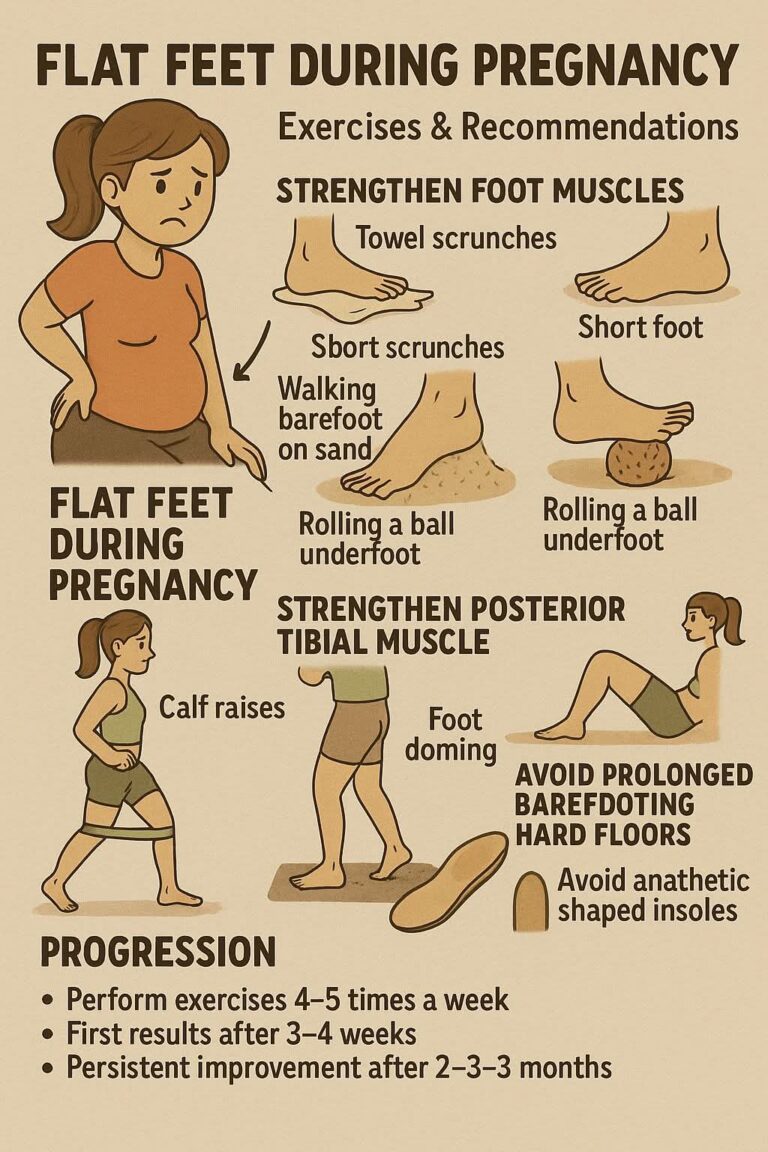
Foot Pain During Pregnancy
A woman complains that due to weight gain during pregnancy, flat feet have developed, resulting in foot pain. Exercise Routine to Address This Issue: 1. Strengthening the Short Foot Muscles The goal is to restore the arch by activating the muscles that support it: “Towel scrunches” with the toes (sitting or standing) — 2×10–15 repetitions;…
Tea: one shrub, six characters, and on
🔗 Share / Поделиться / שתף WhatsApp Telegram Facebook Copy link
Headache During Pregnancy
Headache During Pregnancy | Dr. Nehama Evidence-Based Medicine · Pregnancy Headache During Pregnancy We analyze recommendations from the world’s leading obstetrics and gynecology organization — what is safe, what is prohibited, and when to see a doctor urgently 📋 Based on: ACOG Clinical Practice Guideline No. 3, 2022 Good News! If you suffered from migraines…
Medications for Chronic Pain Treatment
Medications for Chronic Pain Treatment | Dr. Nehama Chronic Pain · Treatment Medications for Chronic Pain Treatment Why I say there are no medications that cure chronic pain, how I prescribe them, and how to ask your doctor the right questions In this article 1 Why I say there are no medications that cure chronic…
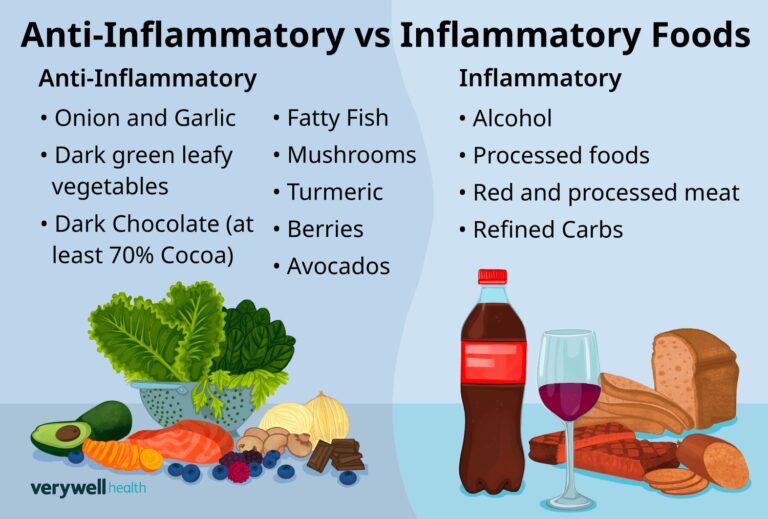
Anti-Inflammatory Diet
If the Mediterranean diet is prevention, then the Anti-Inflammatory diet is therapy. We choose it when the body is in a state of “smoldering” systemic inflammation, confirmed clinically (elevated C-reactive protein, ferritin, homocysteine) or symptomatically (persistent weakness, chronic pain of any kind). Biological Mechanism The main goal is to eliminate “molecular mimicry” and dietary triggers…
Neuroinflammation: a silent fire
Neuroinflammation: a silent fire Pain medicine and rehabilitation Neuroinflammation: a silent fire In the first century AD, Aulus Cornelius Celsus described four signs of inflammation: redness, swelling, heat and pain. A fifth was added later, loss of function. For almost two thousand years this formula was enough to recognise inflammation by sight, without looking inside…