Chronic Pain and Nutrition
Chronic Pain
and Nutrition
How what’s on your plate controls inflammation at the brain level
One of the most challenging parts of my job is explaining to patients the crucial role of nutrition in treatment. Every day, we put either fuel for inflammation or medicine against it on our plates. When I talk about this, most people look at me with polite skepticism.
I understand this skepticism. The connection between food and pain is not obvious. With a severe allergy, a person knows: if I drink a sip of milk, I’ll suffocate. They have no doubt, they don’t try to test the doctor’s words. But with conditions involving chronic pain, this connection is not so direct. To see positive results, one needs to adhere to a specific diet plan for several weeks. And a “slip-up” doesn’t cause an immediate relapse into an exacerbation. The price for violating the regimen is delayed.
We have already discussed how chronic inflammation sustains chronic pain [1], and how it is specifically linked to fibromyalgia [2]. Today, the next step: how nutrition controls this inflammation from within, at the brain level.
The Brain That Quietly Burns
Neuroinflammation: this is inflammation of the central nervous system. Not acute, not noticeable, without fever or redness. A quiet smoldering that for years affects how the brain processes pain signals, how memory works, and how a person feels fatigue.
Special cells, microglia, are responsible for order in the brain. Normally, they clear debris and protect neurons. But when constantly provoked, they enter a state of chronic activation and themselves become a source of inflammation. This is what happens in fibromyalgia and other types of chronic pain. It’s hard to believe, but nutrition can influence the activity of these cells.1,2
The Gut-Brain Axis
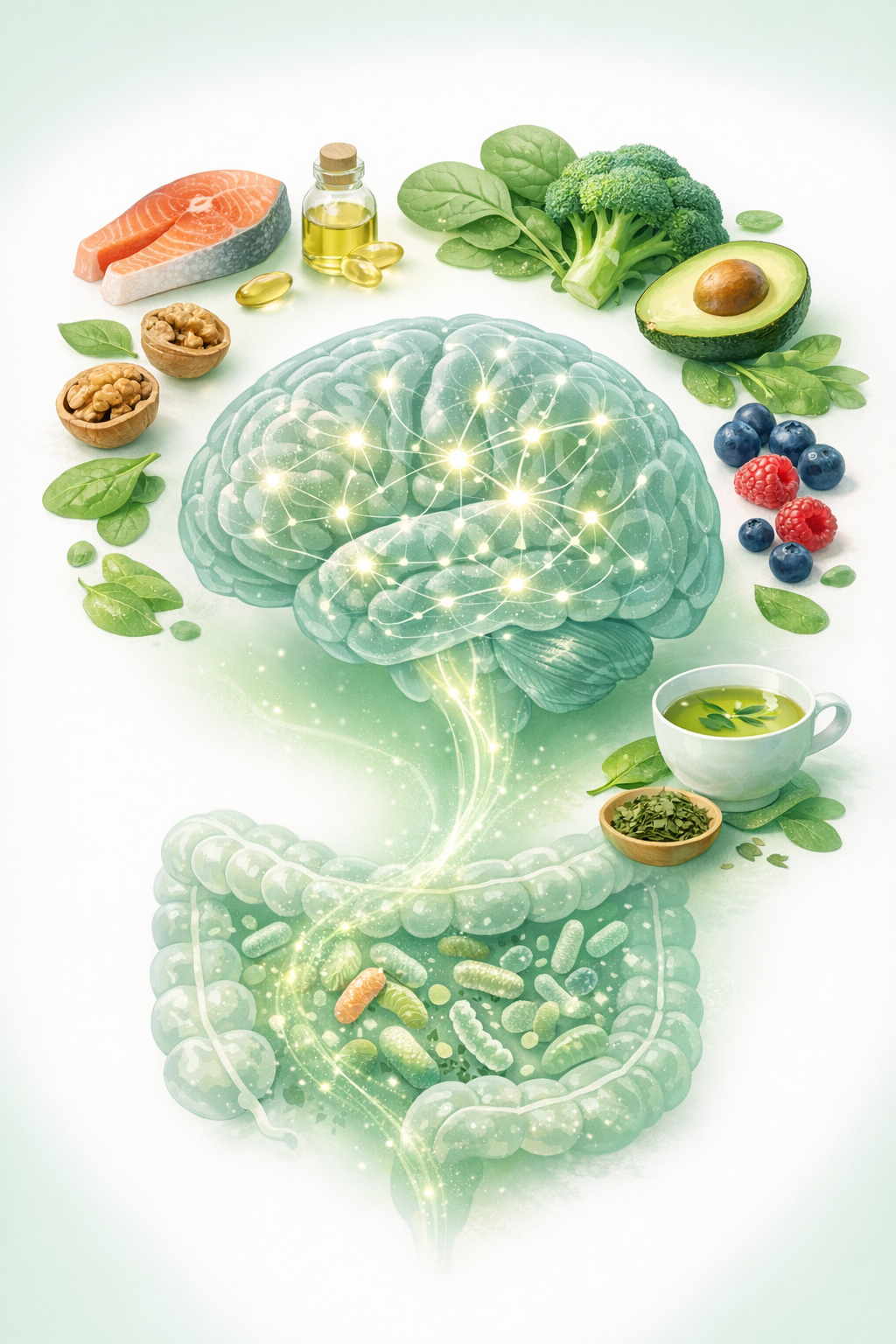
There is a direct route between food and the brain: the gut-brain axis. Gut microbiota sends signals to the central nervous system via immune and metabolic pathways. This is not a metaphor, but anatomy.5
When the diet is rich in saturated fats and refined sugar, beneficial bacteria lose out. The intestinal wall becomes more permeable, and components of bacterial membranes, lipopolysaccharides, begin to leak into the bloodstream. They trigger an inflammatory cascade through TLR4 receptors, and this signal reaches the brain. At the beginning of this cascade’s development, patients describe “just feeling unwell.” Then chronic brain fog, difficulty focusing, memory impairments, mood changes, and eventually, chronic pain emerge.6
The gut and brain talk to each other constantly. What you eat determines the tone of this conversation.
Not All Fats Are Equal
It’s important for us to learn to distinguish between healthy and unhealthy fats. Omega-6 fatty acids (sunflower oil, most snacks, fast food) in large quantities act as pro-inflammatory agents. This doesn’t make them enemies: acute inflammation is a necessary protective process. But omega-3s (fatty fish, walnuts, flaxseed) suppress inflammation. The modern Western diet provides an omega-6 to omega-3 ratio of about 15-20:1. The evolutionary norm is approximately 4:1. The difference is huge, and the brain feels it.3
- Beneficial gut bacteria are displaced
- The intestinal wall becomes more permeable
- Inflammatory molecules enter the bloodstream and reach the brain
- Microglia enter a state of chronic activation
- Pain signals are processed more acutely, memory and concentration decline
What Works
Studies show that diets with an anti-inflammatory profile (Mediterranean, MIND, plant-based diets) reduce levels of key inflammatory markers: IL-6, IL-1β, C-reactive protein. They change the composition of the microbiota, reduce microglial activity, and influence how the brain processes pain signals.1,4
Polyphenols (molecules found in berries, turmeric, green tea, dark chocolate) literally calm microglia. Especially in an aging, already irritated brain.8,10
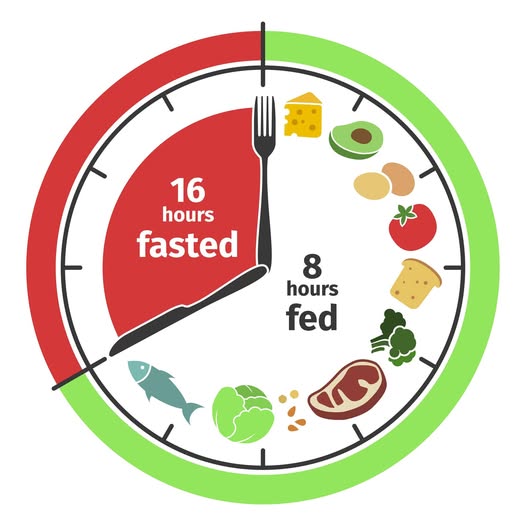
Eating patterns also matter. Intermittent fasting (when you eat, not just what) reduces the activity of the NLRP3 inflammatory complex and improves brain metabolism.7
Learn more about different dietary systems used to treat chronic pain syndrome in my free mini-book “Nutrition as a Therapeutic Tool”.
Scientific Sources
- Medoro A, Scapagnini G, Hu FB, Davinelli S. The Relationship Between Dietary Patterns and Neuroinflammation. Critical Reviews in Food Science and Nutrition. 2026.
- Mackey-Alfonso SE, Barrientos RM. Neuroinflammatory Mechanisms Linking High-Fat Diets to Alzheimer’s Disease Vulnerability. Alzheimer’s & Dementia. 2025;21(11).
- Custers EM, Kiliaan AJ. Dietary Lipids From Body to Brain. Progress in Lipid Research. 2022;85.
- Koelman L et al. Effects of Dietary Patterns on Biomarkers of Inflammation. Advances in Nutrition. 2022;13(1).
- Ortiz-Samur NS et al. Exploring the Role of Microglial Cells in the Gut-Brain Axis Communication. Journal of Neurochemistry. 2025.
- Jamar G, Ribeiro DA, Pisani LP. High-Fat or High-Sugar Diets as Trigger Inflammation in the Microbiota-Gut-Brain Axis. Critical Reviews in Food Science and Nutrition. 2021;61(5).
- Fontana L et al. Effects of Dietary Restriction on Neuroinflammation in Neurodegenerative Diseases. The Journal of Experimental Medicine. 2021;218(2).
- De Marchi F et al. New Insights Into the Relationship Between Nutrition and Neuroinflammation in Alzheimer’s Disease. CNS & Neurological Disorders Drug Targets. 2024;23(5).
- Pathak K et al. Preventive Dietary and Lifestyle Strategies for Neurodegenerative Diseases. Nutritional Neuroscience. 2026.
- Johnson RW. Feeding the Beast: Can Microglia in the Senescent Brain Be Regulated by Diet? Brain, Behavior, and Immunity. 2015;43.