Ketogenic Diet
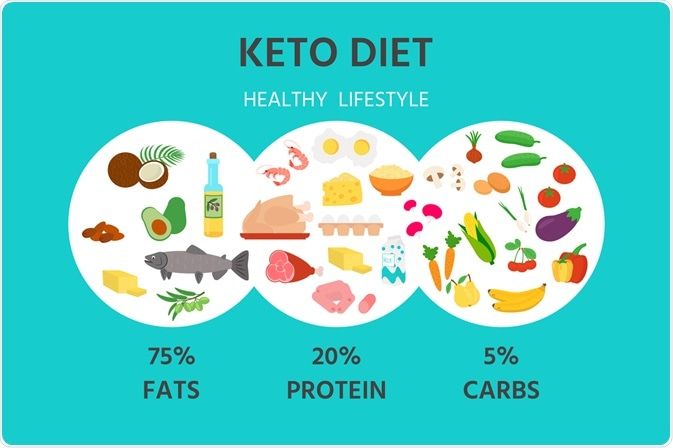
Within the professional community, attitudes toward the Keto protocol are mixed due to its popularity in the fitness industry. However, for a physician, Keto is a tool for deep correction of mitochondrial dysfunction. We transition the patient from glucose-burning mode to using ketone bodies (beta-hydroxybutyrate), which serve as a “cleaner” and more energy-efficient fuel for the brain and heart.
 Biological Mechanism
When carbohydrates are reduced to a critical level (usually <20-30 g per day), the liver begins synthesizing ketone bodies from fats.
Reduction of Neuroinflammation: Ketones suppress microglial activation and reduce oxidative stress in neurons.
Autophagy: The state of ketosis stimulates “cellular cleanup” — the recycling of damaged proteins and organelles.
Stabilization of Glycemic Control: Virtually no insulin spikes.
 Allowed Foods (Energy Base)
Healthy fats (70–80% of the diet): Avocado, olive oil, coconut oil (MCT), ghee, fatty fish varieties.
Quality protein (in moderation!): Eggs, fatty meats (beef, pork), offal (liver, heart).
Above-ground vegetables: Spinach, asparagus, all types of cabbage, zucchini, cucumbers.
Nuts and seeds: Pecan, macadamia, walnut, pumpkin seeds.
 Food as Medicine (Keto Boosters)
MCT oil: Rapid ketones that go directly to the liver, bypassing the systemic circulation, and immediately provide energy to the brain.
Green leafy vegetables (in large quantities): A source of potassium and magnesium to prevent “keto flu” and support electrolyte balance.
Endogenous salt: On keto, the kidneys actively excrete sodium, so quality sea salt becomes a therapeutic supplement.
 Forbidden Foods (Exiting Ketosis)
Even 5–10 g of excess carbohydrates can “knock” the patient out of the therapeutic state for several days:
All grains and cereals: Without exception.
Starchy root vegetables: Potatoes, carrots, beets.
Almost all fruits: Except for a small amount of berries (raspberries, blackberries).
Sugar, honey, syrups: And most sugar substitutes that trigger an insulin response.
 Clinical Monitoring
Prescribing Keto requires medical supervision:
Blood ketone levels (BHB): The therapeutic window is usually 1.5 – 3.0 mmol/L.
Lipid profile: Monitoring LDL fractions and triglycerides.
Gallbladder ultrasound: High fat intake requires adequate bile flow.
It should be noted that family physicians are not always well-versed in nutrition and often hesitate to recommend diets that require medical supervision. This is understandable. They cannot control your choices. Find a specialist who is well-informed on this topic and be sure to follow their recommendations regarding food selection and medical monitoring.