Microbiome and Chronic Pain
The Link Between Chronic Pain Syndrome
and Microbiome Dysbiosis
Microbiome, inflammation, and chronic pain — what 2025 science says
In 2025, an interesting scientific paper was published in the journal Neuron.
Researchers took mice raised in sterile conditions, completely devoid of their own microflora. They transplanted the microbiome from fibromyalgia patients into these mice. And the mice began to behave as if they were in pain. No structural changes were found in their bodies. But the animals exhibited typical behavior characteristic of suffering from pain.
Then they did the opposite: they replaced the microbiome of fibromyalgia patients with a healthy one. The pain significantly decreased.
I understand this sounds like something out of bad science fiction. But this is a peer-reviewed study that has largely changed the perception of chronic pain.
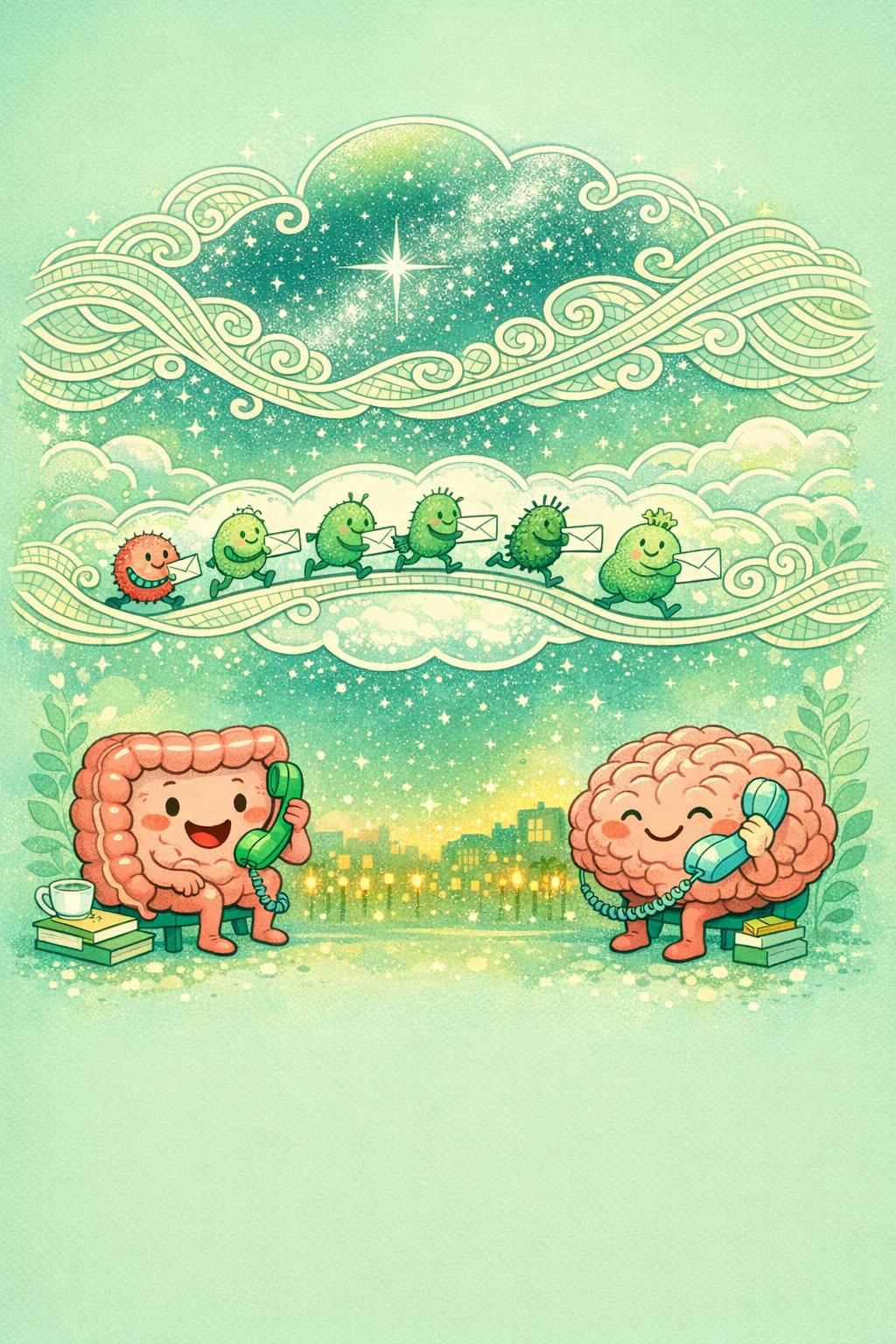
The gut and brain “communicate” with each other through vagus nerve signals, neuroendocrine mediators, and immune molecules. But the fact that the microbiome is an active participant in this communication, rather than just background noise, has only become truly clear in recent years.
Here’s how it works in the context of pain.
Certain bacteria produce short-chain fatty acids, secondary bile acids, and neurotransmitters. These molecules enter the bloodstream and influence how the nervous system processes pain signals. When the composition of the microbiota is disrupted, pain sensitivity increases.
In dysbiosis, it becomes more permeable. Bacterial antigens, primarily lipopolysaccharides, enter the systemic bloodstream and trigger low-grade inflammation. Not acute, not obvious, but sufficient to maintain central sensitization: a state where the nervous system remains in a heightened state of excitability even without actual damage.
Patients with fibromyalgia have reduced numbers of Bifidobacterium and Eubacterium genera, which are involved in glutamate and serine metabolism. This is no coincidence: these amino acids are crucial for regulating pain sensitivity.
Serotonin and dopamine don’t just live in the head. About 90% of the body’s serotonin is produced in the gut, and a significant portion of dopamine as well. In dysbiosis, this synthesis is disrupted. Less serotonin means not only reduced mood but also altered pain perception: serotonin is involved in descending inhibitory pathways that normally dampen pain signals. Less dopamine means reduced motivation and a lower pain threshold. This is not psychology; it’s biochemistry. And it starts in the gut.
There’s another character in this story who appears somewhat unexpectedly: vitamin D.
Vitamin D deficiency reduces gut microbial diversity, impairs the integrity of the intestinal epithelium, and correlates with reduced numbers of those very Bifidobacterium and Coprococcus. At the same time, the link between vitamin D and bacteria is partly mediated by inflammatory markers, particularly CRP. Three things we used to consider separately turn out to be part of one system.
Now about probiotics, because everyone will ask this question.
The data is available and encouraging, but requires sobriety. A 2024 randomized controlled trial in fibromyalgia patients showed a significant reduction in pain, anxiety, depression, and sleep disturbances with probiotic support. A meta-analysis of 34 RCTs in inflammatory arthropathies showed a reduction in CRP and improved symptoms. The effect exists. But it is moderate, dependent on strains, dosage, and the initial state of the individual’s microbiota.
If you’re standing in a pharmacy choosing a probiotic, here’s what to look for.
Strain. Not just “lactobacilli,” but a specific name down to the strain level, for example, Lactobacillus rhamnosus GG or Bifidobacterium longum BB536. Different strains of the same genus act differently, and this is not marketing; it’s biology.
Quantity. Therapeutically significant doses start from 10 billion CFUs (colony-forming units) per day. Less, as a rule, works less effectively.
Storage conditions. Live bacteria require either refrigeration or technology that ensures stability at room temperature with confirmed data on the packaging. If it simply says “store in a dry place,” ask yourself: are the bacteria even alive by the time of purchase?
Prebiotic alongside. Probiotics need food. Without prebiotics, they work less effectively.
About prebiotics separately. Prebiotics are not supplements themselves; they are food for beneficial bacteria. Inulin, fructooligosaccharides, beta-glucan. They are found in chicory, Jerusalem artichoke, onions, garlic, bananas, oats. And this is where fermented vegetables deserve a special mention.
Sauerkraut, kimchi, natural unsweetened yogurt, kefir, miso — these are live foods with real content of beneficial bacteria and simultaneously food for them. Studies show that regular consumption of fermented foods increases gut microbial diversity and reduces markers of inflammation. This is not an alternative to treatment, but it is a daily contribution to the very system we are discussing.
Regarding biomarkers: machine learning algorithms can already classify fibromyalgia by microbiota composition with 87.8% accuracy. The serum bile acid profile correlates with the severity of pain and fatigue. But clinically validated biomarker panels are still a long way off. Your family doctor cannot yet order a routine dysbiosis analysis in the same way they order a complete blood count.
- Bloating after meals that didn’t bother you before
- Irregular bowel movements without an obvious cause
- Constant fatigue disproportionate to your activity level
- Brain fog, difficulty concentrating
- Anxiety or low mood without a clear reason
- Frequent colds, feeling of weakened immunity
- Skin reactions: rashes, eczema, itching
- Chronic pain with unpredictable fluctuations in intensity
If several items on this list apply to you, it’s possible that your gut microbiome needs attention, and then it’s worth discussing this with a knowledgeable specialist.
Chronic pain is a systemic problem.
The gut is not the cause of pain, but an active participant. And when we start working with it, we change the conditions in which pain exists.
Sometimes, that’s enough to make a difference.