Elimination Diet
Often we look for the cause of inflammation, acne, or brain fog in complex deficiencies, forgetting the simplest thing — an individual reaction to a specific food.
The elimination protocol is a temporary diagnostic tool. Its goal is to identify trigger foods. There are two main ways to carry it out.
Method #1: “Radical Reset” (Strict Method)
We use this approach for pronounced symptoms when it’s necessary to relieve the immune system’s burden as quickly as possible.
The essence: We remove absolutely everything from the diet except the “safe list” (usually a green vegetable base, bone broth, and one type of hypoallergenic protein).
Duration of the cleansing phase: 14–21 days.
Reintroduction phase: After 3 weeks, we start introducing one new food every 4 days.
Why 4 days? A delayed-type hypersensitivity reaction may not appear immediately but within 48–72 hours (manifesting as headache, skin rash, or joint pain).
WARNING!!! Do not attempt this without specialist supervision
Method #2: “Removing the Excess” (Gentle Method)
Suitable for people with moderate complaints or for those who find it psychologically difficult to endure strict restrictions.
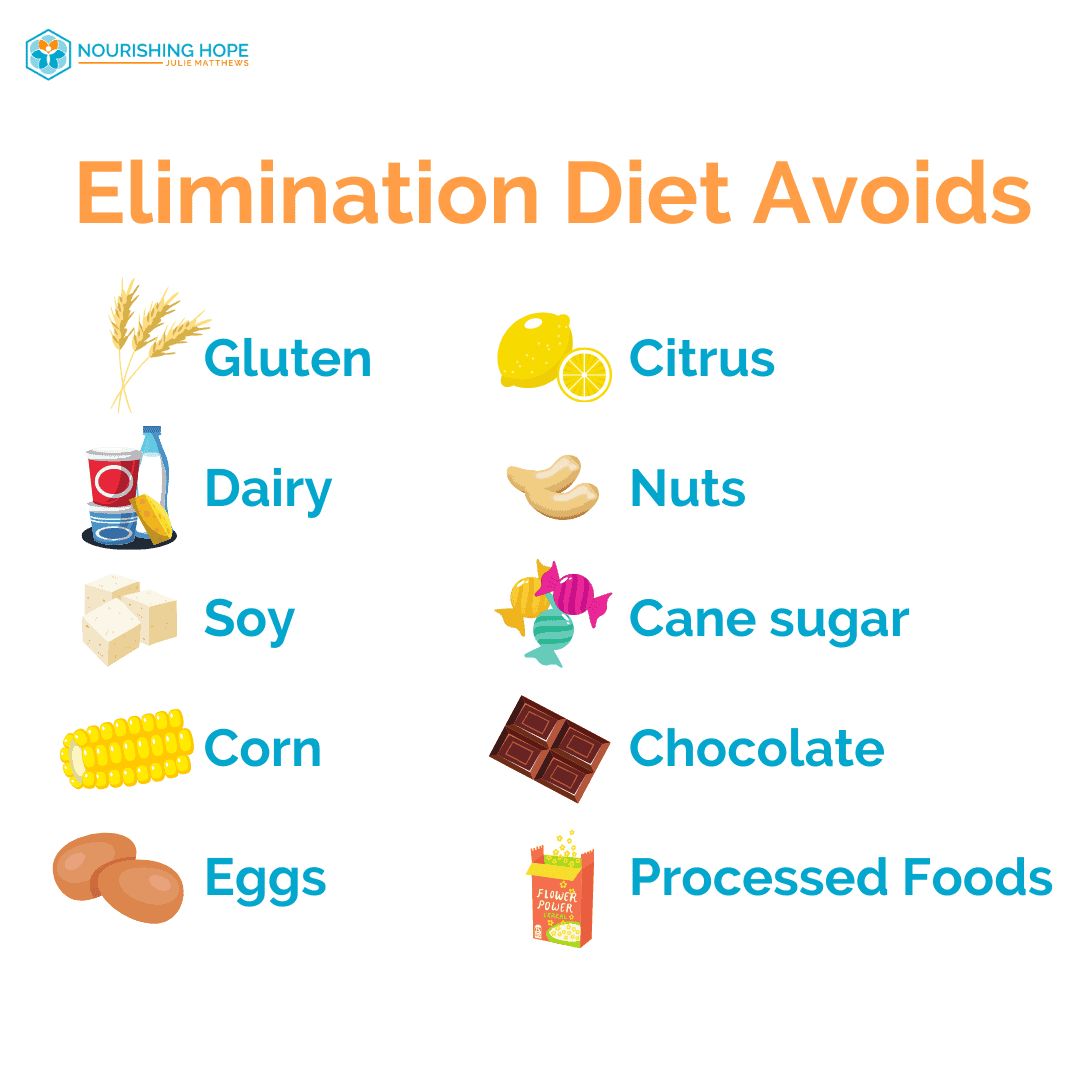
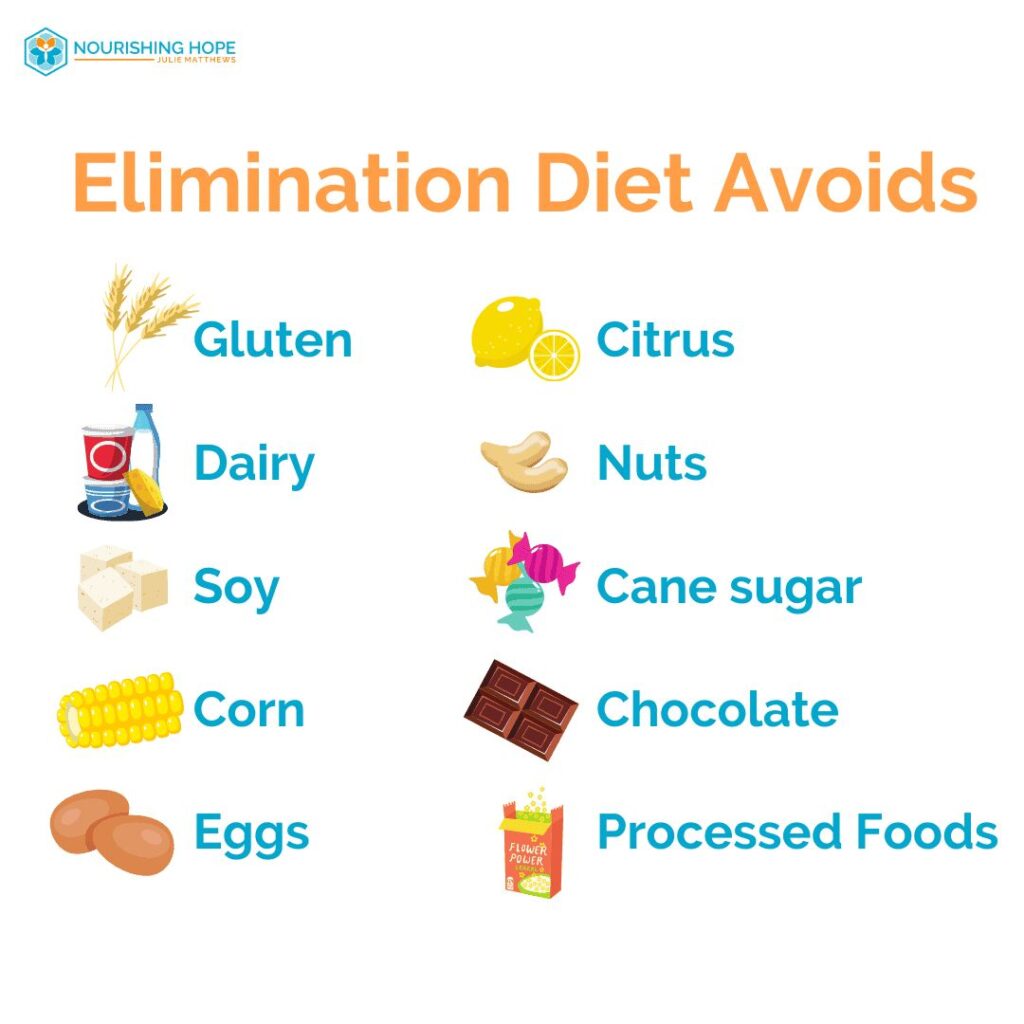
The essence: We remove only the “Big Eight” most suspicious allergens:
Gluten (wheat, rye).
Dairy products (lactose and casein).
Sugar.
Corn.
Soy.
Eggs.
Peanuts and tree nuts.
Nightshades (tomatoes, potatoes, eggplants).
Duration: 3–4 weeks.
Reintroduction phase: Similarly — one food every 4 days.
 Rules for Keeping a “Reaction Diary”
Without recording results, this method loses its meaning. During the elimination and reintroduction phases, it is necessary to note changes in 5 areas:
Energy (was there a drop or increase after eating?).
Sleep (insomnia, night sweating, sleep improvement).
Gastrointestinal tract (bloating, heaviness, stool).
Skin (itching, new redness, improvement in skin condition).
Mood (irritability, anxiety, mood improvement).
If, for example, after reintroducing cottage cheese, nasal congestion appears on day 2 or knee pain on day 3, we officially recognize it as a “trigger,” remove it again for 3 months, and proceed to test the next food only after symptoms subside.